Reliability before visibility
Trust is earned by being dependable before it is impressive.

The record is elsewhere. This is the reasoning underneath it: the family, the memory, and the standard the work is held to.
Before any title, there was a habit: open the thing, learn how it works, put it back together better than it was found. That habit met a trade, and the trade became a discipline.
The instinct arrived before the vocabulary. Anyone can see that something is broken. The useful question is quieter: what was this supposed to do, what depended on it, and where did the handoff fail? Systems thinking was never a method to be learned. It was how the problem appeared.
The path ran from the field floor to the rooms where technology decisions are made for a utility and the people who depend on it. Twenty years later the instinct has not changed. Only the number of people it protects has.
Understand the system before you ask it to carry anything that matters.
Critical environments do not reward eloquence. They reward readiness: the asset where it should be, the escalation that happens before anyone has to ask, the service that holds on the day it is tested.
Being the person called when something is down teaches a specific kind of humility. It also teaches clarity. Most failures are not failures of effort. They are failures of ownership, of sequence, or of a handoff nobody defined.
Resilience is not a slogan in that environment. It is a decision made in advance, when nothing is on fire and no one is watching.

Executive support is a travel discipline before it is a technical one. The room is in another state, the decision is at eight in the morning, and everything the decision depends on has to arrive with you: the systems tested, the escalation path known, the material already rehearsed.
Travel removes the margin. There is no second attempt from three states away, no walking back to the office for the adapter left on the desk. What looks like logistics from the outside is leadership from the inside: preparation made visible, calm carried into an unfamiliar building, and ownership that does not hand off at the airport.

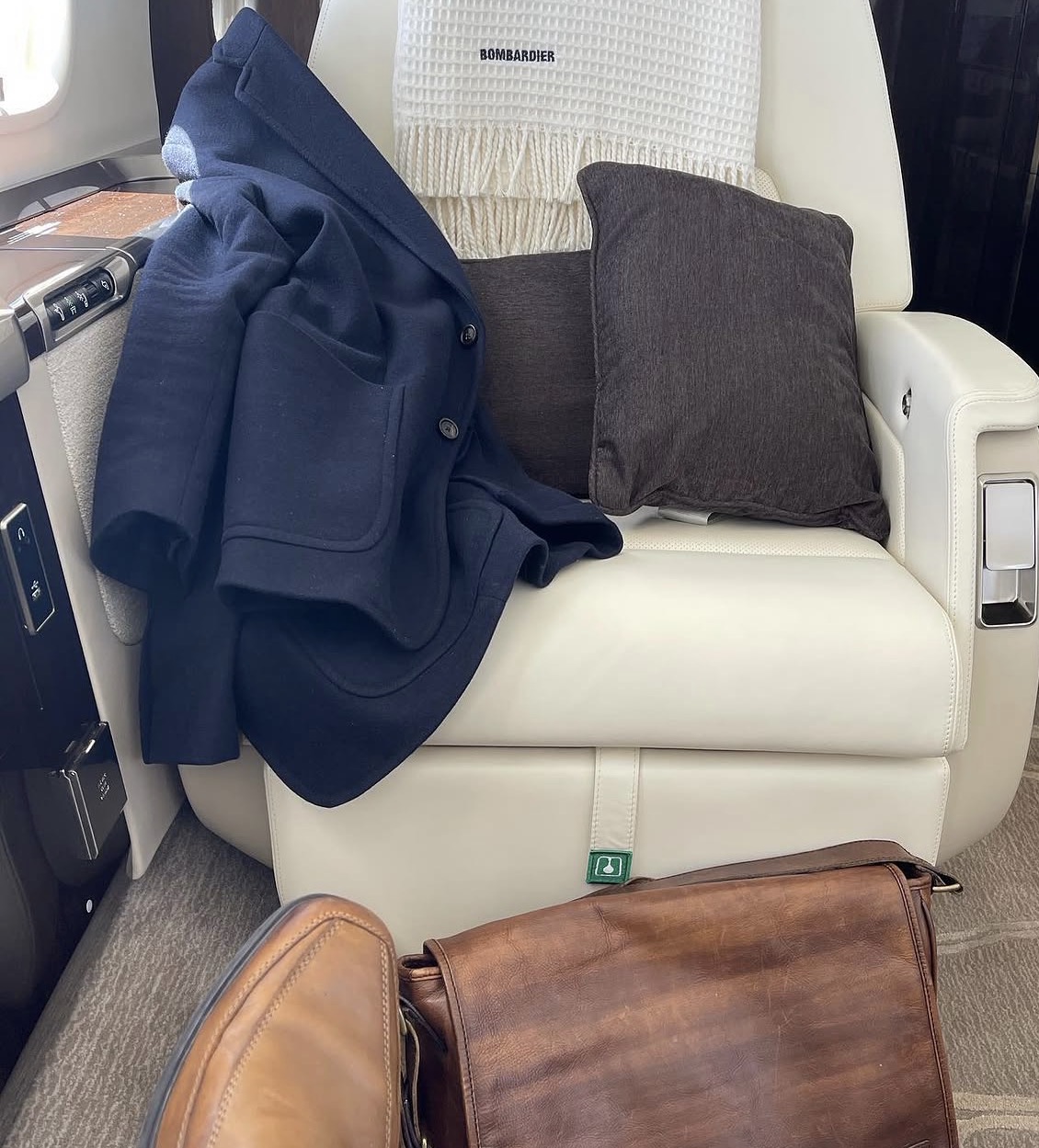

Proximity is not a perk of the role. It is how the role keeps its word.
Trust is earned by being dependable before it is impressive.
Clear ownership, written standards, and a decision trail that survives the meeting.
Change is progress only if the people depending on the system are served while it happens.
The same standard is owed to the next generation: patience, plain language, and a path they can follow.
Every platform carries the same conviction: technology should reduce friction, protect people, and make the next step unmistakably clear.
Aiden is why the work is measured in decades, not launches.

Tribe Tezino carries three words: legacy, strength, purpose. They are not decoration. They are the test applied to anything that would carry the name.
Building beyond yourself means the work keeps its standards when your attention is somewhere else. That is the only version of legacy that survives the person who started it.
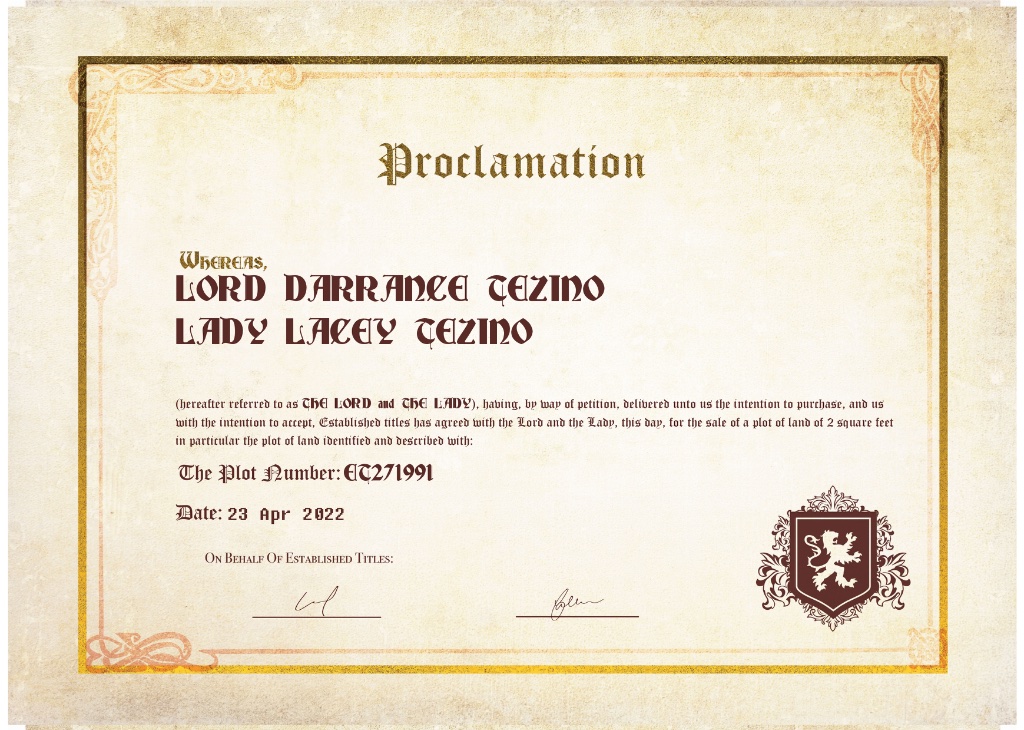
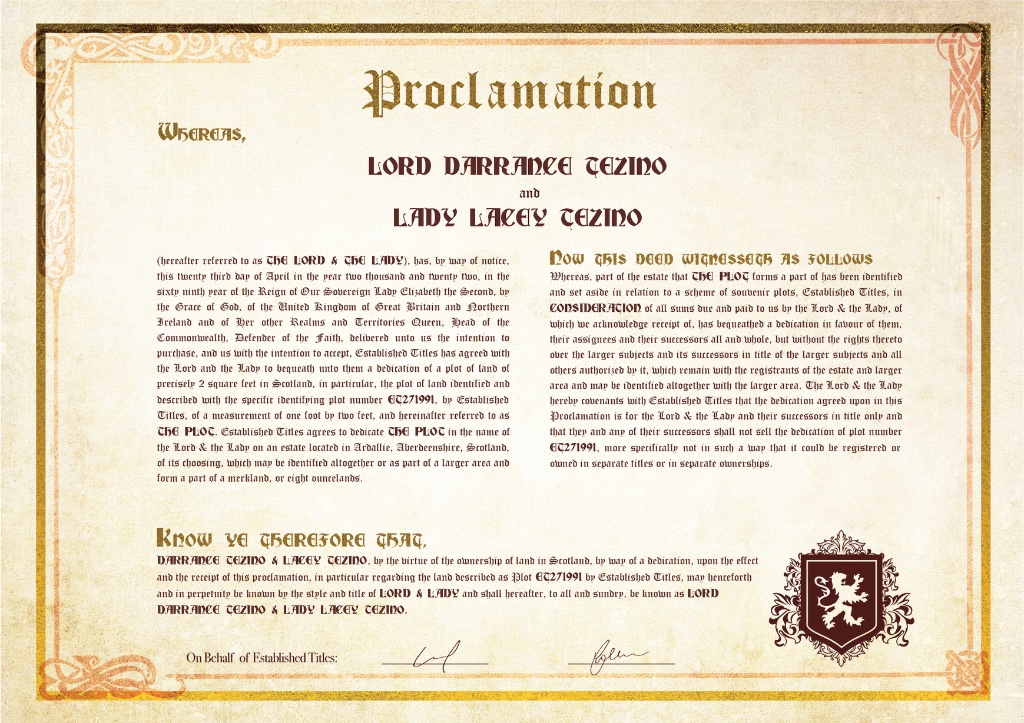
Lord and Lady of a small plot of land in Ardallie, Aberdeenshire, Scotland. Kept as family history and memory, not as a credential.
Every platform began as a problem that first appeared in personal form: an identity exposed on the open web, a budget with no structure, a small business facing an audit, a family story no platform was ever built to hold.
The response was consistent. Take the enterprise discipline that keeps critical systems alive and apply it where there is no IT department to call.
Technology should reduce friction, protect people, and make the next step unmistakably clear. Everything else is a feature.